Bolivia Versus Malta: Two Flags, Two Worlds of Meaning and Heritage
Flags are far more than pieces of cloth fluttering in the wind. They are condensed stories—encapsulations of a nation's history, values, struggles, and aspirations. When we place the flag of Bolivia next to the flag of Malta, we are not just comparing two designs. We are comparing two distinct worlds: one landlocked in the heart of South America, rich in indigenous heritage and natural resources; the other a small island nation in the Mediterranean, shaped by millennia of conquests and a resilient spirit of independence.
Understanding the symbolism behind each flag helps us appreciate not only the nations themselves but also how people express identity through color, shape, and emblem. This article explores the purpose, significance, and practical relevance of the Bolivian and Maltese flags, breaking down their meanings from the ground up. Whether you are a traveler, a student, or simply curious about world cultures, this comparison will give you a clear and lasting understanding of what these two remarkable symbols represent.
Why Compare Flags? The Power of National Symbols
Before diving into the specifics of Bolivia and Malta, it helps to understand why flag comparison is valuable. National flags serve several key functions in modern life:
- Identity and unity: Flags create an immediate visual shorthand for a nation's people and values.
- Historical storytelling: Colors and emblems often reference pivotal events, revolutions, or cultural foundations.
- Diplomatic representation: Flags are the primary symbol used in international relations, from the United Nations to sporting events.
- Cultural pride: Citizens display flags to express patriotism, especially during holidays, festivals, or global competitions.
When we compare Bolivia and Malta specifically, we see two nations that, despite their geographic and cultural differences, both use their flags to assert sovereignty and narrate a unique story. Let us examine each flag in detail.
Origins and History
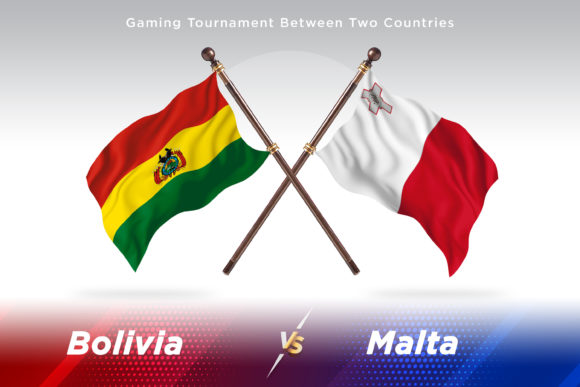
The current flag of Bolivia was adopted on November 5, 1851, during the presidency of Manuel Isidoro Belzu. However, the story begins earlier. After gaining independence from Spain in 1825, Bolivia went through several flag iterations. The first flag featured green and red stripes with a star, but the design evolved as the nation sought to define itself. The 1851 version—three horizontal stripes of yellow, green, and red—became the enduring symbol.
Bolivia is one of the few countries in the world with two official flags. Alongside the tricolor, the Wiphala, a checkered emblem representing the indigenous Andean peoples, was granted equal status in 2009 under the constitution of President Evo Morales. This dual-flag system reflects Bolivia's commitment to honoring both its colonial history and its deep indigenous roots.
Colors and Their Meanings
The Bolivian tricolor uses three bold horizontal bands, and each color carries layered significance:
- Yellow: Represents the nation's abundant mineral wealth, especially gold, silver, and tin. It also symbolizes the sun, which held sacred importance for indigenous civilizations like the Inca.
- Green: Stands for the rich natural resources, including forests, agriculture, and the Amazon basin. It also evokes hope and the fertility of the land.
- Red: Honors the blood spilled by heroes who fought for independence and sovereignty. It represents courage, sacrifice, and the ongoing struggle for justice.
These three colors together convey a message of a nation blessed by nature, sustained by its land, and born from sacrifice.
The Coat of Arms
While the plain tricolor is used as the civil flag, the state flag includes the Bolivian coat of arms at the center. The coat of arms features a central oval with the Cerro Potosí mountain (a symbol of mineral wealth), a llama, a palm tree, and a bundle of wheat. Surrounding the oval are three Bolivian flags, a laurel wreath, two cannons, and a condor perched on top. This emblem reinforces the themes of plenty, freedom, and military readiness.
Historical Roots
The flag of Malta consists of two vertical bands: white on the hoist side and red on the fly side. In the top-left corner of the white band sits the George Cross, outlined in red. This design was officially adopted on September 21, 1964, when Malta gained independence from Britain. However, the red and white colors date back much further—to the Norman period and the medieval Knights of St. John.
According to tradition, the colors originated from a Norman count, Roger I of Sicily, who granted the Maltese their coat of arms in 1091. The story holds that Roger tore off part of his red-and-white chequered banner to give to the island's leaders, creating the foundation for the modern flag.
The George Cross
The most distinctive feature of the Maltese flag is the George Cross, a British civil decoration awarded to the entire island nation by King George VI in 1942. The award recognized the extraordinary bravery and resilience of the Maltese people during World War II, when the island endured relentless bombing by Axis forces while serving as a crucial Allied base.
The cross is a powerful reminder of Malta's strategic importance and its people's courage under siege. Originally depicted in blue on early flags, the cross today appears in red on the white field, creating a striking and somber emblem of sacrifice.
The Red and White Legacy
The red and white of the Maltese flag are said to represent two fundamental traits:
- White: Symbolizes peace, purity, and the light of faith. It also reflects the white limestone architecture that defines Malta's towns and villages.
- Red: Represents the blood shed in defense of the island, as well as the warmth and passion of the Maltese people.
Together, the colors create a clean, bold design that is instantly recognizable. The flag is a minimalist masterpiece, yet it carries centuries of layered meaning.
Visual Differences
At first glance, the flags of Bolivia and Malta could hardly be more different:
| Aspect | Bolivia | Malta |
|---|---|---|
| Layout | Three horizontal stripes | Two vertical stripes |
| Colors | Yellow, green, red | White and red |
| Emblem | Coat of arms (state flag) | George Cross (always present) |
| Number of official flags | Two (tricolor + Wiphala) | One (with variations for civil vs. state use) |
Bolivia's flag is vibrant and complex, using multiple colors to tell a story of natural abundance and diverse heritage. Malta's flag is restrained and disciplined, emphasizing purity, sacrifice, and a singular act of collective bravery.
What Each Flag Says About Its Nation
A flag is a mirror of national character. Bolivia's tricolor with its rich, warm tones reflects a country that is geographically and culturally diverse—home to the Andes, the Amazon, and a mosaic of indigenous and mestizo identities. The inclusion of the Wiphala as a co-official flag underscores a commitment to pluralism and indigenous rights that is rare in the modern world.
Malta's flag, by contrast, speaks to a nation shaped by its geography as a Mediterranean outpost. The red and white evoke a long history of invasion, defense, and diplomacy. The George Cross, a rare award to an entire population, tells a story of unity in the face of overwhelming odds. Malta's flag is compact and disciplined, much like the island itself.
Practical Relevance: How These Flags Fit Into Modern Life
Flags are not relics of the past. They remain deeply relevant in contemporary contexts:
In Travel and Tourism
For travelers, understanding the flag of a destination enriches the experience. Visitors to Bolivia often see the Wiphala displayed prominently alongside the tricolor in markets, government buildings, and indigenous ceremonies. Knowing the meaning of the colors can help tourists appreciate the cultural depth behind what they see. In Malta, the George Cross appears on everything from souvenir magnets to official documents, and its story is a point of pride that locals share with visitors.
In Business and International Relations
Companies and organizations that work across borders use flags as symbols of trust and legitimacy. The Bolivian flag, with its mineral and agricultural associations, is often used in branding for mining, quinoa, and textile exports. The Maltese flag appears in shipping, finance, and tourism—sectors where Malta has built a global reputation. Recognizing these associations helps business professionals understand the national identity behind a brand.
In Education and Civic Learning
Schools in both countries teach flag etiquette and symbolism as part of civic education. For students around the world, comparing flags like those of Bolivia and Malta is an accessible entry point into geography, history, and political science. It encourages a mindset of curiosity and respect for other cultures.
Common Misunderstandings About Both Flags
Despite their prominence, several misconceptions persist:
- Misunderstanding 1: The Bolivian flag colors represent just minerals. While yellow does symbolize mineral wealth, the green and red also carry deep indigenous and revolutionary meanings. It is a mistake to reduce the flag to a single economic interpretation.
- Misunderstanding 2: The Maltese flag's George Cross is a military medal. The George Cross is a civilian decoration for gallantry, not a military award. It was given to the entire nation, not just soldiers.
- Misunderstanding 3: The Bolivian flag has always looked the same. Bolivia has had multiple flag designs since independence, and the current tricolor dates only to 1851. The inclusion of the Wiphala in 2009 was a major modern change.
- Misunderstanding 4: The Maltese flag's colors come only from the Knights of St. John. While the Knights used red and white, the tradition actually predates them, with origins in the Norman period. The flag reflects a deeper, continuous history.
Conclusion: What Two Flags Teach Us
The flags of Bolivia and Malta may appear unrelated, but together they illustrate a universal truth: every nation uses its flag to tell the world who it is and what it values. Bolivia's flag speaks of natural wealth, indigenous pride, and a complex colonial and post-colonial identity. Malta's flag speaks of resilience, faith, and the weight of history on a small island.
By comparing them, we gain a broader understanding of how symbols work across cultures. We see that a flag is never just a design—it is a declaration. Whether you encounter the yellow, green, and red of Bolivia fluttering over the Andes or the white, red, and George Cross of Malta overlooking the Mediterranean, you are looking at a story written in color and shape.
Next time you see a flag, take a moment to ask what it means. The answer might just reveal an entire world.