Bolivia Versus Saudi Arabia Two Flags: Symbolism, Design, and National Identity Across Continents
When exploring world flags, few comparisons reveal as much about culture, history, and national values as examining Bolivia versus Saudi Arabia two flags side by side. At first glance, these two banners appear entirely unrelated—one bursts with Andean color, the other carries stark Islamic simplicity. Yet each flag tells a powerful story about its nation’s identity, priorities, and worldview. Understanding these differences not only enriches your global knowledge but also proves useful for travel, international business, or educational projects.
First Impressions: Two Completely Different Visual Languages
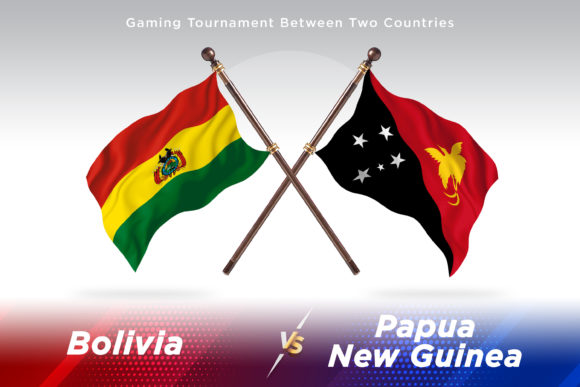
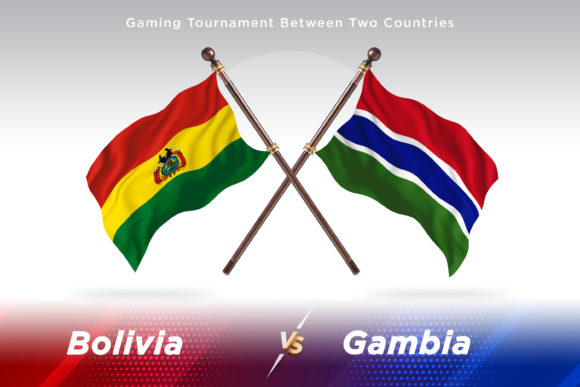
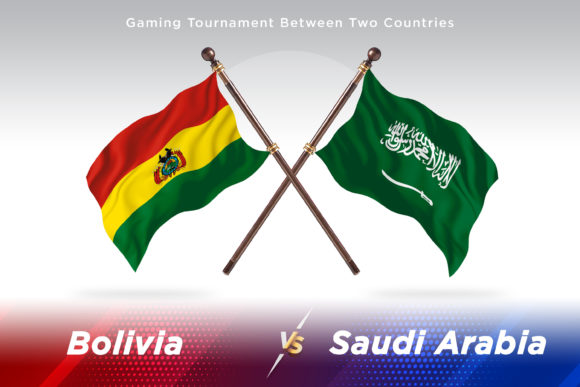
If you line up Bolivia and Saudi Arabia two flags, the immediate visual contrast is striking. Bolivia’s flag uses a horizontal tricolor of red, yellow, and green bands, often adorned with its coat of arms in the center. Saudi Arabia’s flag, by contrast, is a solid green field featuring white Arabic script and a sword. One is wide and welcoming, the other is bold and declarative. These are not arbitrary choices—they reflect core national narratives formed over centuries.
The Bolivian flag speaks to the country’s geography and indigenous heritage. Red represents the bravery of its soldiers and the blood spilled for independence. Yellow stands for the country’s mineral wealth, especially gold and silver extracted from the Andes. Green symbolizes the lush lowlands and the Amazon rainforest that covers much of eastern Bolivia. Together, they form a landscape in cloth. Saudi Arabia’s flag, meanwhile, uses green—the traditional color of Islam—along with the shahada, or Islamic declaration of faith: “There is no god but God; Muhammad is the Messenger of God.” The sword beneath the script points to justice and the kingdom’s founding strength.
This fundamental difference in purpose—representing natural wealth versus proclaiming religious and political unity—makes the Bolivia versus Saudi Arabia two flags comparison a study in how flags communicate entirely different kinds of national pride.
The Bolivian Tricolor and Its Many Layers
Bolivia has two official flag versions: the civil flag, which is simply the tricolor without the coat of arms, and the state flag, which includes the coat of arms on the yellow stripe. This distinction matters because you will see both versions depending on the context. Government buildings and official ceremonies use the state flag, while citizens fly the simpler tricolor during festivals and at home.
The coat of arms itself is rich with meaning. It features a central oval with the sun rising over Potosí Mountain, a symbol of the silver mines that once funded the Spanish Empire. Around the oval are three wreaths: one of olive branches, one of bay leaves, and one of laurel—each representing peace, victory, and glory. Above the oval sits the Andean condor, a bird of power and freedom. Six smaller flags surround the design, representing Bolivia’s nine departments and the original provinces that fought for independence.
One practical consideration when studying Bolivia versus Saudi Arabia two flags is that the Bolivian flag’s complexity makes it harder to reproduce correctly on small items like lapel pins or digital icons. The coat of arms requires careful rendering, which is why many designers opt for the civil flag in casual contexts. Travelers should also note that the Wiphala, a square checkered emblem representing indigenous Andean peoples, often appears alongside the national flag at official events—a dual-flag system that Saudi Arabia does not replicate.
The Saudi Arabian Flag: Minimalism Rooted in Faith
The flag of Saudi Arabia is one of the most recognizable in the world precisely because of its minimalism. The green background is officially defined as a deep emerald shade, and the white script is the shahada written in the Thuluth calligraphic style. Below the script lies a horizontal sword with a straight blade and an angled hilt.
Because the flag carries a sacred text, it is treated with extraordinary respect. It is never flown at half-mast, even during national mourning, because lowering a holy statement is considered inappropriate. It is never printed on clothing, disposable items, or anything that might touch the ground or come into contact with unclean materials. This protocol is non-negotiable and deeply embedded in Saudi culture. Anyone working with or displaying the flag must understand these rules. In the Bolivia versus Saudi Arabia two flags comparison, this is arguably the most important practical distinction—one flag is secular and flexible, the other is religious and carries strict usage guidelines.
The sword beneath the shahada represents the unity of the Saudi state under Islam and the historical role of the House of Saud in consolidating the peninsula. Some earlier versions of the flag featured two swords, but the modern design settled on one. The sword also points upward in the direction of the script, which means the flag is double-sided with the text reading correctly from both sides—a clever design feat achieved by reversing the sword on the reverse side.
Historical Context: How Each Flag Evolved
Bolivia’s flag has undergone several transformations since independence from Spain in 1825. The original flag used a design of green and yellow stripes with five stars. It changed to the current tricolor arrangement in 1851, though the coat of arms has been updated multiple times, most recently in 2004. The green stripe also shifted from a darker shade to the brighter hue seen today. Understanding this evolution helps explain why Bolivia versus Saudi Arabia two flags differ so much in historical stability—Bolivia’s identity has been contested and redefined, while Saudi Arabia’s flag has remained remarkably consistent since the kingdom’s founding in 1932.
Saudi Arabia’s flag originates from the banners used by the Wahhabi movement in the 18th century, which featured the shahada on green cloth. The sword was added in the early 20th century during the unification campaigns led by Abdulaziz Ibn Saud. The flag was standardized in 1932 and has remained nearly unchanged since. The only notable modification was a minor adjustment to the sword’s shape and the calligraphy style in the 1980s. This stability reflects the continuity of Saudi Arabia’s political and religious institutions—a sharp contrast to Bolivia’s more turbulent flag history.
This difference matters for anyone researching or writing about Bolivia versus Saudi Arabia two flags. Bolivia’s flag changes tell a story of shifting political regimes and evolving national self-conception. Saudi Arabia’s flag consistency tells a story of a nation built on enduring religious and dynastic foundations. Both approaches are valid, but they serve different narrative purposes.
Travel and Tourism
If you are traveling to either country, knowing the flag protocols will save you embarrassment. In Bolivia, it is common to see the flag displayed prominently during Independence Day (August 6) and other civic holidays. You can wear clothing with flag colors without causing offense, and it is appropriate to take photos with the flag as a backdrop. In Saudi Arabia, you would never do that. Do not buy souvenirs with the flag on them—you will not find them anyway, as printing the flag on merchandise is illegal. Instead, look for green-and-white themed items that honor the national colors without reproducing the sacred text.
For travelers comparing Bolivia versus Saudi Arabia two flags as part of trip preparation, the key takeaway is that flag etiquette reflects broader cultural norms. Bolivia’s flag is a cheerful symbol of national pride open to all. Saudi Arabia’s flag is a solemn emblem demanding reverence.
Business and Diplomacy
When flying both flags at an international event or conference, you must respect position and height protocols. Both flags should be flown at the same height, with no flag above another. However, because the Saudi flag contains text, it must never be used as a tablecloth, a stage backdrop, or a floor covering. If you are organizing an event that includes both Bolivian and Saudi representatives, ensure the flags are displayed on separate poles with proper spacing. Do not drape them together on a single surface.
In the context of Bolivia versus Saudi Arabia two flags for corporate branding or cultural exchange programs, remember that the Bolivian flag’s colors are relatively straightforward to incorporate into marketing materials, while the Saudi flag should never be used as a design element. Instead, use the Saudi coat of arms (a palm tree crossed by two swords) as an alternative national symbol in business contexts.
Educational and Digital Use
Teachers and content creators comparing world flags often place Bolivia and Saudi Arabia side by side to illustrate how flags can represent geography versus ideology. The Bolivian flag teaches students about natural resources and independence struggles. The Saudi flag teaches about religious identity and state formation. An effective classroom exercise involves having students identify what each flag’s colors and symbols say about the country’s values, then predicting how each flag might be treated in public life.
For digital projects, when coding Bolivia versus Saudi Arabia two flags in CSS or SVG, note that the Saudi flag’s script and sword require careful scaling at small sizes. The Bolivian flag’s coat of arms also loses detail when reduced. For favicons or app icons, use simplified versions or rely on the tricolor alone for Bolivia and a solid green rectangle for Saudi Arabia.
Considerations Before Choosing or Displaying These Flags
If you are buying flags for a collection, an event, or a cultural display, here are a few factors to evaluate:
- Quality of reproduction: The Bolivian flag’s coat of arms should be clearly printed with correct colors and no blurred lines. The Saudi flag must have sharp, legible Arabic calligraphy and a straight sword.
- Size and proportion: Both flags use a 2:3 ratio, so they hang well together on standard poles. Ensure you order from a reputable supplier who follows official specifications.
- Material: For outdoor use, choose weather-resistant polyester. The Saudi flag is often made with heavier fabric to prevent the script from folding or creasing in an undignified way.
- Context of display: Never display the Saudi flag where it might become dirty or frayed. Retire it respectfully by burning or burying if it becomes worn. The Bolivian flag can be retired more casually, though it too deserves respect.
These considerations may seem detailed, but they matter greatly when you are handling flags that carry deep national and religious significance. The Bolivia versus Saudi Arabia two flags comparison is not just an academic exercise—it has real-world consequences for how you conduct yourself in international settings.
Final Observations on Two Flags, Two Worlds
What makes the contrast between Bolivia and Saudi Arabia two flags so compelling is that neither design is accidental. Every stripe, every color, every calligraphic curve carries intention. Bolivia’s flag invites you to see its mountains, forests, and mineral wealth—a landscape of abundance and sacrifice. Saudi Arabia’s flag invites you to read its faith and recognize its authority—a statement of unity and devotion under one creed.
For the global citizen, understanding these flags means understanding two fundamentally different approaches to national identity. One is outward-looking, rooted in the physical world and its resources. The other is inward-looking, rooted in spiritual conviction and historical destiny. Neither is superior; both are authentic expressions of who these nations are today. Whether you are a traveler, a student, a business professional, or simply someone curious about the world, taking the time to truly see what Bolivia versus Saudi Arabia two flags represent will deepen your appreciation for the many ways countries choose to symbolize themselves.
When you next see both flags flying at an international forum or displayed in a classroom, you will recognize not just two pieces of cloth but two complete narratives. And that recognition is the foundation of genuine cross-cultural understanding.