Botswana Versus Congo Two Flags: Design, Symbolism, and Practical Value
Understanding the visual identity of two distinctive African nations
When you compare Botswana versus Congo two flags, you are looking at more than just fabric and color. You are examining how national identity, geography, and history distill into simple visual statements. For professionals working in design, education, branding, or content creation, understanding these differences matters. It helps you make better visual choices, communicate more clearly, and avoid cultural missteps when representing either country.
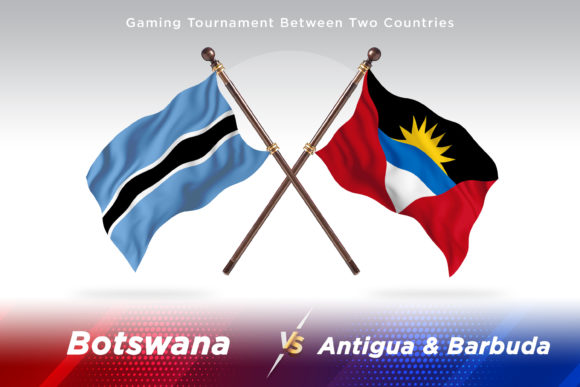
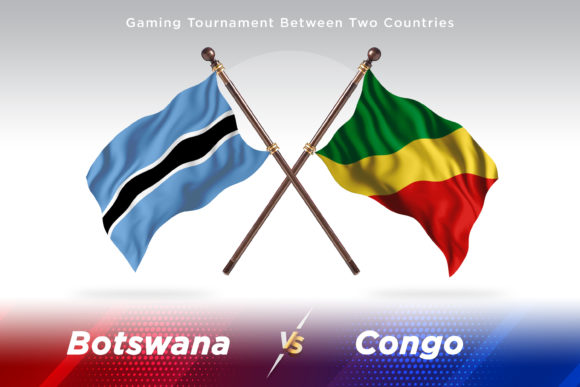
The flag of Botswana features a light blue field with a horizontal black stripe edged in white. The flag of the Republic of the Congo uses a diagonal design with green, yellow, and red bands. Each element carries specific meaning, and knowing these nuances can strengthen your work whether you are creating educational materials, designing presentations, or advising clients on regional representation.
Why flag comparisons matter for professionals and creators
You might wonder why a comparison of Botswana versus Congo two flags deserves your attention. The reason is practical. Flags appear in everything from business reports and marketing campaigns to classroom lessons and travel content. When you use flags correctly and with understanding, you show respect for the cultures they represent. You also avoid embarrassing errors that can undermine your credibility.
For educators and bloggers, explaining flag symbolism offers a gateway to deeper discussions about African geography, colonial history, and contemporary identity. For marketers and small business owners, accurate flag use signals professionalism, especially when targeting audiences in specific regions or when building partnerships across borders.
Color choices and what they communicate
The Botswana flag uses a soft sky blue as its dominant field. This color references water and rain, which is significant in a country where water is precious and where the national motto is "Pula," meaning rain. The black stripe with white borders represents harmony and cooperation between people of different backgrounds. This thoughtful palette is calm, optimistic, and inclusive.
The Congo flag takes a different approach. Its diagonal green band stands for agriculture and natural wealth. The yellow stripe symbolizes friendship and the country's bright future. The red represents the blood of those who fought for independence. Together, these colors create a bold, energetic statement that evokes struggle, growth, and hope.
If you are designing a presentation or infographic that references either country, these color stories matter. Using Botswana's light blue in a visual about water conservation or peaceful development would feel fitting. Using Congo's green and red in content about resilience or natural resources would align naturally with the flag's own narrative.
For educators and curriculum designers
Comparing Botswana versus Congo two flags gives you a ready-made lesson in symbolism and comparative geography. You can ask students to analyze each flag and infer what the country values. The exercise builds critical thinking and cultural awareness. It also provides a memorable anchor for learning about southern versus central Africa, colonial histories, and post-independence identity.
A teacher might use the flags side by side in a slide deck, asking learners to note differences in color, layout, and implied values. This approach works well for middle school through university levels and integrates naturally into social studies, art, or geography curricula.
For content creators and bloggers
If you write about travel, culture, or African affairs, comparing flags adds depth to your posts. Readers appreciate when you go beyond surface description. When you explain that Botswana's flag deliberately avoids pan-African colors to emphasize a unique national identity, while Congo's flag embraces them as a statement of solidarity, you provide insight that satisfies curious audiences.
You can also use this comparison to create visual guides, quizzes, or reference charts that perform well on social media and in search. The key is to offer real value, not just a list of facts. Connect each detail to a bigger idea or a practical takeaway.
For designers and brand professionals
Understanding how national flags handle proportion, contrast, and symbolism can inform your own design choices. Botswana's flag uses a restrained, balanced composition that works well in both large and small formats. Congo's diagonal split creates movement and energy, which can inspire dynamic layouts or color palettes for branding projects.
If you are creating a multicultural brand identity or a campaign that references African markets, studying these two flags side by side gives you a quick case study in how to convey identity through minimal visual elements. You learn that subtle choices, like edge borders or diagonal lines, carry meaning and affect viewer perception.
Who benefits most from this comparison
This comparison is most valuable for people who need to work accurately and thoughtfully with cultural symbols. Freelancers and small business owners who produce content for international clients will find it useful. So will bloggers and publishers who want to write with authority about African nations.
Hobbyists and lifelong learners also gain something real. Flag study, or vexillology, is a niche that rewards curiosity. Understanding the differences between Botswana versus Congo two flags opens the door to broader appreciation of how countries represent themselves. It also helps in casual contexts, like recognizing flags during global events or in news coverage.
Where caution is warranted
No comparison is complete without acknowledging limits. A flag is a simplified symbol, and it cannot capture the full complexity of a nation. Using flags in your work should always be part of a larger effort to understand and represent the people and cultures accurately. Do not assume that a flag conveys everything your audience needs to know.
Also, be aware that some viewers may have strong emotional or political associations with these symbols. Use them respectfully and in context. If you are creating material for a specific audience in Botswana or the Republic of the Congo, consider consulting local sources or style guides to ensure your usage aligns with cultural expectations.
Practical tips for using flag comparisons effectively
When you compare Botswana versus Congo two flags in your own work, keep these guidelines in mind:
- Always show both flags clearly and at the same scale so viewers can compare proportions and layout directly.
- Provide context for each design element rather than just listing colors and shapes. Explain why those choices were made.
- Connect the comparison to your audience's interests. For business readers, focus on branding and professional use. For educators, emphasize learning outcomes.
- Use high-quality images from official or reliable sources. Poor reproductions can distort colors and mislead viewers.
- Avoid making assumptions about what a flag means to every person from that country. Flags are official symbols, but individual feelings about them vary.
Thoughtful observations worth considering
One interesting aspect of comparing Botswana versus Congo two flags is how they reflect different approaches to national identity. Botswana's flag, adopted at independence in 1966, deliberately chose a distinctive blue that set it apart from the pan-African colors used by many of its neighbors. This choice signaled a desire for unity and progress on its own terms.
Congo's flag, adopted in 1959 and later reinstated after political transitions, uses the pan-African colors as a direct link to continental solidarity and liberation movements. The diagonal design adds a sense of forward movement, distinguishing it from horizontal or vertical tricolors common in the region.
These differences are not merely aesthetic. They tell stories about how each country saw itself at a crucial moment in history and how they continue to see themselves today. For anyone who works with cultural content, this kind of understanding elevates your output from surface-level to genuinely informed.
Final recommendations for practical use
If you are building a resource library for your work, include reliable flag information for both countries. Keep notes on symbolism, design specifics, and appropriate usage contexts. This small investment will save you time later and help you produce better content.
For educators, consider creating a comparison worksheet that asks students to predict what each flag element represents before you reveal the answers. For designers, experiment with color palettes drawn from each flag and see how they influence mood and perception. For writers, use flag comparisons as a starting point for deeper articles about national identity, cultural values, or African history.
When you invest the time to understand what flags communicate, you improve your own work and show respect for the people and places they represent. That is a practical benefit that applies across nearly any profession or interest.