Botswana Versus Uganda: A Deep Dive into Two Flags, Two Nations, and Their Stories
Flags are more than just pieces of fabric—they are living symbols of a nation's identity, history, and aspirations. When we place Botswana versus Uganda side by side, we are not merely comparing colors and patterns; we are exploring the unique journeys of two East and Southern African nations, their values, and the stories they tell the world. Whether you are a student, traveler, or simply curious about global cultures, understanding these flags offers a fascinating window into the heart of each country.
In this article, we will break down the design, symbolism, and significance of the Botswana flag and the Uganda flag. We'll compare their meanings, explore their historical contexts, and discuss how these national symbols fit into modern life, from tourism to diplomacy. By the end, you'll have a richer appreciation for what each flag represents and how they reflect the broader identity of their nations.
The Flag of Botswana: A Symbol of Peace and Progress
The national flag of Botswana is one of the most distinctive on the African continent. Adopted on September 30, 1966, when Botswana gained independence from British colonial rule, the flag was designed to represent a new era of unity and forward momentum.
Design and Colors
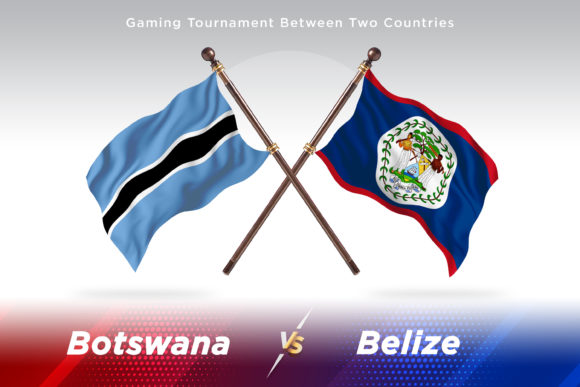
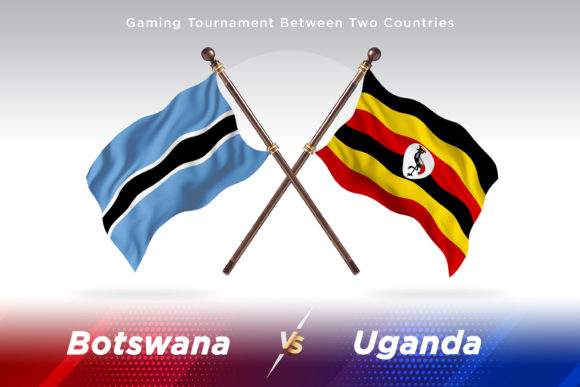
The flag features a light blue field with a bold black horizontal stripe running through the center, edged by two thinner white stripes. This simple yet powerful design carries deep meaning:
- Light blue symbolizes water, specifically rain, which is life-giving and precious in the semi-arid landscape of Botswana. It also represents the sky and the country's reliance on agriculture and livestock.
- Black and white stripes represent the racial harmony and cooperation between people of different backgrounds. They also symbolize the stripes of the zebra, an animal that is emblematic of Botswana's rich wildlife heritage. The zebra appears on the nation's coat of arms as well.
The flag's colors are deliberately chosen to communicate peace, unity, and a shared future. The black and white stripes together on a blue background convey a message of racial integration without conflict—a powerful statement for a country that emerged from colonial rule.
Historical Context
Botswana's flag was designed in the lead-up to independence. The country's first president, Sir Seretse Khama, and the national assembly wanted a flag that would represent all citizens equally. Unlike some nations that use flags to emphasize a single ethnic group or political ideology, Botswana's flag emphasizes inclusivity and natural resources. The zebra-like pattern is also a subtle nod to the country's commitment to conservation and its renowned wildlife tourism industry.
Fun fact: The light blue color is unique among African flags, making Botswana's flag instantly recognizable on the world stage.
The Flag of Uganda: A Crested Crane and Unity
The flag of Uganda is equally rich in meaning. Adopted on October 9, 1962, the day Uganda achieved independence from Britain, the flag is a vibrant and energetic emblem of the nation's spirit and heritage.
Design and Colors
The flag consists of six horizontal stripes alternating in black, yellow, and red. At the center, a white circle encloses the national symbol—a Grey Crowned Crane (Balearica regulorum). The crane stands on one leg, facing the hoist side, and is depicted in natural colors with its distinctive golden crown.
- Black represents the African people and the continent's rich heritage.
- Yellow symbolizes the abundant sunshine that blesses Uganda, as well as the country's mineral wealth and golden landscapes.
- Red stands for the blood that was shed in the struggle for freedom and independence, as well as the warmth and vitality of the Ugandan people.
- The Grey Crowned Crane is the national bird of Uganda and symbolizes grace, resilience, and a forward-looking spirit. The crane's raised leg suggests that Uganda is always moving forward, never resting.
Historical Context
The flag was adopted after a national competition was held to design a symbol for the newly independent nation. Its bold colors and central crane motif reflect Pan-African influences (similar to the flag of Ethiopia, which inspired many African nations) while also celebrating Uganda's unique natural and cultural identity. The crane has long been a symbol of the region, appearing in local folklore and traditions.
Interesting note: The flag's three colors are a common combination in African symbolism, representing the continent's people, resources, and struggles. However, Uganda's distinct arrangement and the inclusion of the crane make it stand out.
Botswana Versus Uganda: A Comparative Look at Two Flags
When we place Botswana versus Uganda in direct comparison, several important similarities and differences emerge. This contrast reveals how each nation has chosen to represent itself to the world.
Color Palette and Meaning
| Aspect | Botswana Flag | Uganda Flag |
|---|---|---|
| Primary colors | Light blue, black, white | Black, yellow, red, white (crane) |
| Dominant symbolism | Water, rain, racial harmony, wildlife | People, sunshine, struggle, national pride |
| Unique element | Zebra-like pattern (black and white stripes on blue) | Grey Crowned Crane at the center |
| Connection to nature | Water and zebra represent the natural environment | Crane, sunshine, and black represent people and land |
Botswana's flag is more minimalist in design, using fewer colors but each with layered meaning. Uganda's flag is more complex, with a central motif and a tricolor pattern that is common across many African flags. Both, however, emphasize peace, unity, and pride in natural heritage.
Symbolism of Peace and Unity
Both flags emphasize unity and harmony, but they approach it differently:
- Botswana uses the interweaving of black and white stripes to symbolize racial and social cohesion. It is a direct statement of inclusivity.
- Uganda uses the crane—a bird known for its gentle nature and elegant movements—to symbolize peace and the nation's aspiration to move forward together. The three colors also represent the unity of the people, their resources, and their shared sacrifices.
In both cases, the flags are apolitical and non-tribal, designed to represent all citizens regardless of ethnic background. This was a conscious choice by the founding leaders of both nations.
Historical Timing and Influences
Both flags were adopted at independence—Botswana in 1966 and Uganda in 1962. This places them in the same historical wave of African decolonization. However, the influences differ:
- Botswana's flag was inspired by the country's geography and wildlife, with no direct Pan-African color scheme. The light blue is unique among its neighbors.
- Uganda's flag follows the Pan-African color tradition (black, yellow, red) seen in flags like Ethiopia, Ghana, and many others. This reflects a broader continental identity and solidarity.
This difference is important: Botswana's flag emphasizes national uniqueness, while Uganda's flag balances national identity with continental belonging.
Practical Relevance: How These Flags Shape Modern Life
Flags are not static symbols; they play an active role in daily life, tourism, business, and diplomacy. Understanding the Botswana versus Uganda flags helps us see how national identity is promoted and perceived globally.
Tourism and Branding
Both countries use their flags as part of their national branding to attract visitors:
- Botswana consistently promotes its image as an exclusive, nature-focused destination. The flag's blue and zebra stripes evoke the Okavango Delta, the Kalahari Desert, and the country's famous safari experiences. Tourists see the flag and immediately associate it with pristine wilderness and wildlife.
- Uganda, known as the "Pearl of Africa," uses its flag to highlight its biodiversity, including the mountain gorillas and the source of the Nile. The crane is a powerful symbol that appears in tourism logos, airline branding (Uganda Airlines), and national celebrations.
In both cases, the flag serves as a visual shorthand for the country's unique selling points.
Education and Civic Pride
In schools across both nations, the flag is a central part of civic education. Students learn the meaning of each color and symbol, fostering a sense of national pride. The Botswana flag is often used to teach lessons about racial harmony and environmental stewardship. The Uganda flag is used to emphasize unity, sacrifice, and resilience.
Teachers and parents alike use the flags as tools for teaching core values like respect, cooperation, and patriotism.
International Relations and Diplomacy
Flags are also crucial in diplomatic contexts. When Botswana and Uganda participate in international events like the United Nations, the African Union, or sporting competitions like the Olympics, their flags serve as identifiers of sovereignty and mutual respect. The distinctiveness of each flag helps avoid confusion and reinforces each nation's unique voice on the global stage.
Business and Trade
In the business world, flags are used in marketing, trade shows, and corporate branding to establish origin and trust. Companies from Botswana and Uganda often display their flags to signal national pride and quality. The flag's colors may also appear in product packaging, especially for export goods like coffee, tea, diamonds, and textiles.
Common Misunderstandings and Clarifications
Some people mistakenly assume that the Botswana flag uses green (it does not—the blue is often misinterpreted as green on screens with poor color calibration). Others think the Uganda flag features an ostrich or another bird; the crane is distinct with its golden crown and elegant posture.
Another common assumption is that the flags are merely decorative. In reality, both flags are governed by strict protocol and respect laws. For example, in Botswana, the flag must not touch the ground, and in Uganda, it is flown on government buildings every day and at full mast except during periods of mourning.
How to Identify Correctly and Use the Knowledge
If you are a traveler, student, or business professional, knowing how to identify these flags is a sign of cultural literacy. Here are quick tips:
- Botswana Flag: Look for the light blue field and the single black stripe with white edges. No central emblem, no extra colors.
- Uganda Flag: Look for the six horizontal stripes (black, yellow, red, black, yellow, red) and the white circle with the crane. The crane is a giveaway.
Understanding these differences also helps in discussions about African diversity. While both are African nations, their flags tell very different stories—one of arid landscapes and racial harmony, the other of lush biodiversity and Pan-African unity.
Conclusion: Why the Comparison Matters
Comparing Botswana versus Uganda through their flags is not just an academic exercise—it is a way to deepen our understanding of two vibrant, distinct nations. The flags are mirrors of their societies: Botswana's calm, minimalist design reflects its stability and environmental consciousness; Uganda's bold, energetic stripes and elegant crane mirror its resilience and cultural richness.
Whether you are planning a trip, conducting business, or simply expanding your worldview, recognizing these symbols and their meanings enhances your connection to the world. Next time you see either flag fluttering at an embassy, a sports event, or a cultural festival, you will know the story behind the fabric—a story of hope, identity, and a people's journey toward a shared future.
In the end, every flag is a story. And the stories of Botswana and Uganda, as told through their banners, are as unique and inspiring as the nations themselves.