Brazil vs Colombia: A Detailed Comparison of Two Iconic South American Flags
Flags are far more than pieces of fabric fluttering in the wind. They encapsulate the soul of a nation—its history, struggles, values, and aspirations. When comparing Brazil versus Colombia, two of South America's most vibrant and influential countries, their flags offer a fascinating window into each nation's identity. While both flags share the continent's passion for bold colors and symbolic depth, they tell very different stories. This article explores the design, history, meaning, and cultural weight of the Brazilian and Colombian flags, helping you understand not just what they look like, but what they truly represent.
Quick Overview: Brazil and Colombia at a Glance
Before diving into the flags themselves, it helps to understand the nations they represent. Brazil, the largest country in South America, spans nearly half the continent and is known for its Amazon rainforest, vibrant festivals, and economic heft. Colombia, while smaller, is a land of incredible biodiversity, rich colonial heritage, and a resilient spirit that has shaped its modern identity. Both are Portuguese- and Spanish-speaking powerhouses, respectively, and their flags reflect their unique paths to independence and nationhood.
Design and Composition
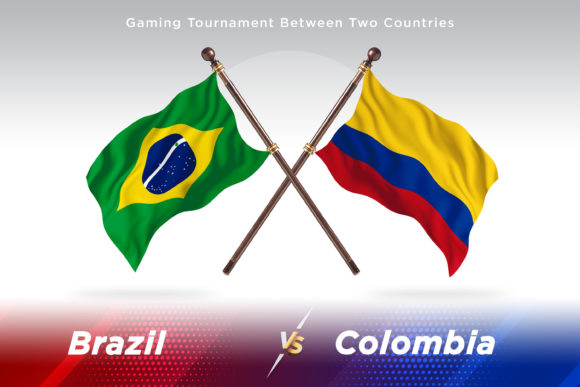
The Brazilian flag is instantly recognizable: a green field with a large yellow diamond in the center, inside which sits a blue globe dotted with white stars and crossed by a white band bearing the motto "Ordem e Progresso" (Order and Progress). The flag is a visual celebration of Brazil's natural wealth and philosophical ambitions.
- Green represents the lush forests and abundant nature of Brazil, particularly the Amazon and the Atlantic Forest.
- Yellow symbolizes the nation's mineral wealth, especially gold, which played a central role in colonial Brazil.
- Blue globe depicts the night sky over Rio de Janeiro on November 15, 1889—the date of the proclamation of the Brazilian Republic.
- White stars (27 in total) represent each of Brazil's states and the Federal District, arranged according to their constellations.
- White band with the national motto reflects the influence of positivist philosophy on the founders of the republic.
Historical Evolution
The current Brazilian flag was adopted on November 19, 1889, just four days after the republic was declared. It replaced the imperial flag, which featured the coat of arms of the Empire of Brazil. The new design retained the green and yellow from the imperial flag—symbols of the Braganza and Habsburg royal houses—but replaced the imperial coat of arms with the celestial globe to signal a break from monarchy and a turn toward republican ideals. The number of stars has changed over time as new states were created, with the current 27-star version finalized in 1992.
Symbolism and Deeper Meaning
Unlike many national flags that rely on stripes or simple geometric patterns, the Brazilian flag is a star chart. The arrangement of stars is not random; it faithfully reproduces the sky as seen from Rio de Janeiro at 8:30 AM on the day of the republic's founding. Each star corresponds to a specific state, and the constellations include the Southern Cross, Scorpius, and others visible in the Southern Hemisphere. This makes the flag a unique blend of astronomy, geography, and political philosophy—a testament to Brazil's ambition to be a nation guided by reason and progress.
Design and Composition
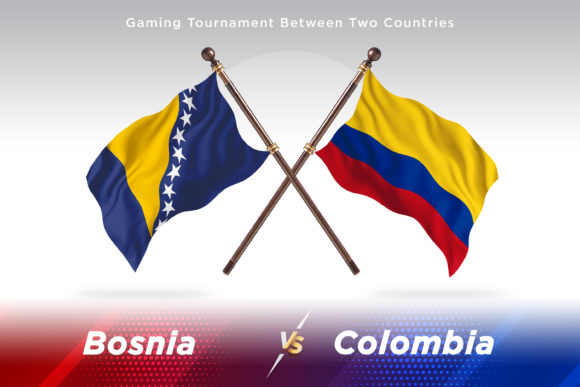
Colombia's flag is a horizontal tricolor of three bands: yellow, blue, and red. The top yellow stripe takes up half the flag's width, while the blue and red stripes each occupy a quarter. This proportional asymmetry gives the flag a distinctive rhythm and emphasizes the yellow band as the dominant element.
- Yellow represents the country's vast gold and mineral wealth, as well as the richness of its land and the sun that shines over it.
- Blue symbolizes the oceans and rivers that border and flow through Colombia—the Pacific Ocean, the Caribbean Sea, and the mighty Magdalena River.
- Red stands for the blood spilled by patriots in the struggle for independence from Spanish rule, a powerful reminder of sacrifice and national pride.
Historical Evolution
The Colombian flag traces its origins to the banners used by Simón Bolívar, the liberator of northern South America. The yellow, blue, and red combination was first used by the Gran Colombia federation (1819–1831), which included present-day Colombia, Venezuela, Ecuador, and Panama. After the dissolution of Gran Colombia, the tricolor was retained by the Republic of New Granada and later by the modern Republic of Colombia. The current flag was officially adopted on November 26, 1861, though the design had been in use for decades.
Symbolism and Deeper Meaning
Colombia's flag is a classic example of a tricolor with layered symbolism. The dominance of yellow reflects both the literal gold found in Colombian mines and a broader sense of national wealth—agricultural, cultural, and human. The blue connects Colombia to its identity as a nation with two coastlines, linking it to trade, exploration, and global exchange. The red is a somber yet proud nod to the sacrifices that made independence possible. For Colombians, the flag evokes a sense of resilience, natural abundance, and hard-won freedom.
Brazil Versus Colombia: Comparing the Flags Directly
When placing the two flags side by side, the differences are as striking as the similarities. Both use bold, primary colors, but they deploy them in entirely different ways. Let's break down the key contrasts.
| Aspect | Brazil | Colombia |
|---|---|---|
| Adoption date | November 19, 1889 | November 26, 1861 |
| Primary colors | Green, yellow, blue, white | Yellow, blue, red |
| Design type | Complex emblem with celestial map | Simple horizontal tricolor |
| Motto | "Ordem e Progresso" (Order and Progress) | No official motto on the flag |
| Number of stars | 27 (representing states + federal district) | None |
| Symbolic emphasis | Republic, reason, federation, nature | Independence, wealth, geography, sacrifice |
Common Misunderstandings and Clarifications
One frequent assumption is that the Brazilian flag's green represents only the Amazon rainforest. While that is part of the meaning, the green historically comes from the House of Braganza (the Portuguese royal family), and only later came to symbolize the nation's forests and ecological wealth. Similarly, the yellow is not just gold but also the House of Habsburg (Empress Leopoldina's lineage). The flag thus carries both imperial and republican symbolism.
For Colombia, a common misunderstanding is that the flag's yellow represents only gold. While gold is the primary association, the yellow also symbolizes the sun, sovereignty, and agricultural abundance. The blue is sometimes thought to represent only the sky, but it clearly refers to the seas and rivers that define Colombia's geography. These layers of meaning make the tricolor richer than a simple color scheme.
Practical Relevance in Modern Life
Both flags play a significant role in daily life, national pride, and global identity. In Brazil, the flag is ubiquitous during World Cup seasons, Carnival, and Independence Day (September 7). It appears on clothing, murals, and even in tattoos, often serving as a symbol of unity and joy. The flag's motto, "Ordem e Progresso," has entered the national lexicon and is frequently referenced in political and educational discourse.
In Colombia, the flag is prominently displayed during Independence Day (July 20) and other national holidays. It is a symbol of resilience, especially given the country's complex history of conflict and peace-building. Colombian immigrants abroad often display the flag as a marker of cultural pride, and it appears on everything from football jerseys to official government buildings.
Why Understanding These Flags Matters
Understanding the flags of Brazil and Colombia goes beyond trivia—it offers insight into how these nations see themselves and want to be seen by the world. Brazil's flag, with its philosophical motto and star map, reflects a country that sees itself as destined for greatness, guided by reason and order. Colombia's flag, with its bold tricolor and clear symbolism of wealth, geography, and sacrifice, speaks to a nation that values its resources, honors its history, and looks to the future with determination.
For travelers, students, or anyone engaging with South American culture, knowing the story behind these flags enriches every interaction. Whether you're watching a football match, visiting a museum, or simply chatting with a friend from either country, recognizing the depth of these national symbols fosters greater respect and understanding.
Conclusion: Two Flags, Two Stories, One Continent
The comparison of Brazil versus Colombia through their flags reveals two distinct national personalities. One flag is a cosmic declaration—a republic written in the stars, blending imperial heritage with Enlightenment ideals. The other is a bold tricolor—a straightforward, powerful statement of independence, wealth, and sacrifice. Both are visually stunning, deeply meaningful, and instantly recognizable around the world.
Next time you see the green-and-yellow diamond of Brazil or the yellow-blue-red stripes of Colombia, you'll know there's far more going on than meets the eye. These flags are living documents—constantly evolving in meaning, yet rooted in the defining moments that shaped two of South America's greatest nations.