Bhutan Versus Australia Two Flags: A Study in Symbolism, Design, and National Identity
Flags are far more than pieces of cloth fluttering in the wind. They are distilled representations of a nation’s soul, its history, its struggles, and its aspirations. To engage in a comparison of Bhutan Versus Australia Two Flags is to step into two vastly different worlds, each expressing national identity through distinct visual languages. One is rooted in Buddhist mythology and the pursuit of happiness; the other in colonial heritage, astronomy, and the Southern Hemisphere. Understanding these differences is not merely an academic exercise—it offers practical insight into how countries brand themselves for the modern world.
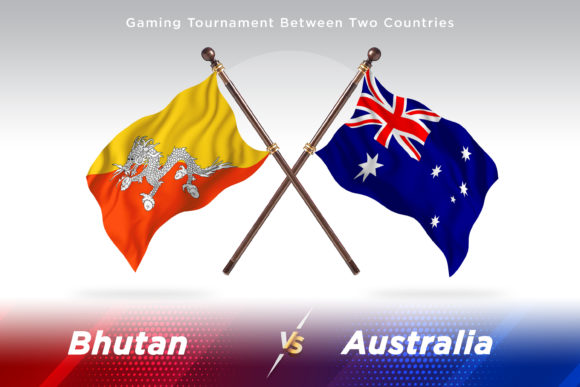
At first glance, the flags of Bhutan and Australia share almost no common ground. The Bhutanese flag is a riot of deep yellow and orange, dominated by a white dragon clutching jewels. The Australian flag, by contrast, features a deep blue field with the Union Jack in the canton and the Southern Cross constellation on the fly. Yet a deeper examination reveals telling details about governance, values, and national priorities. This article will explore the unique qualities of each flag, their symbolic functions, and how they fit into contemporary workflows of diplomacy, tourism, and national pride.
The Core Symbolism of the Bhutanese Flag
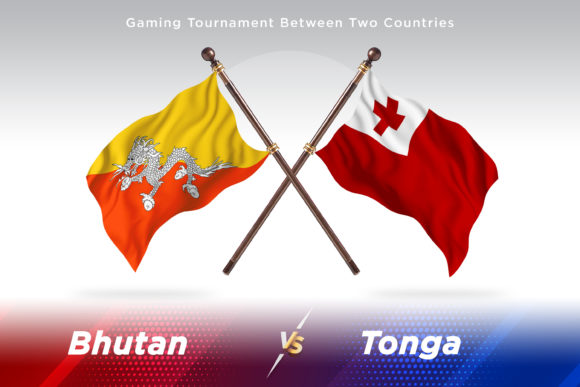
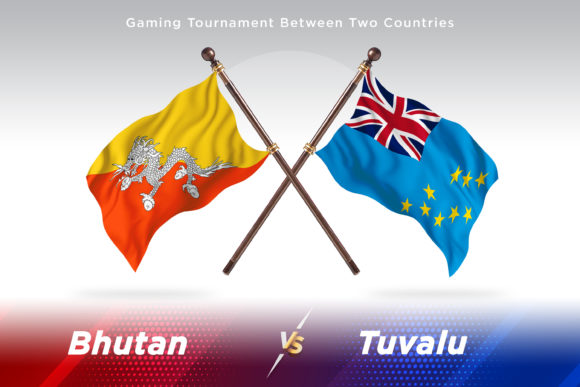
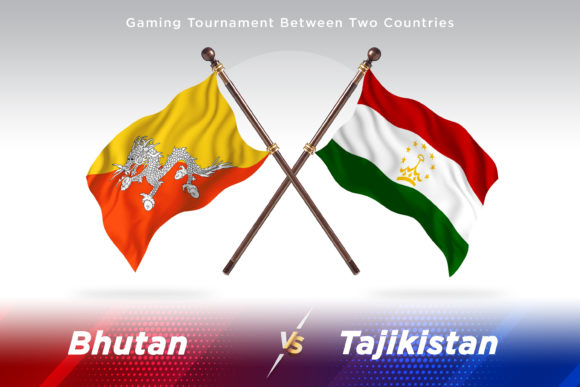
The flag of Bhutan, known as the Dragon Flag, is one of the few national flags in the world to feature a mythological creature so prominently. The dragon, or Druk, is central to Bhutanese identity. It represents the thunder that is said to echo through the Himalayan valleys, and it symbolizes the protective power of the state. The dragon's white color signifies purity and loyalty, while the jewels it clutches represent the wealth and security of the nation.
The flag is divided diagonally into two halves. The yellow half represents the secular authority of the King, while the orange half stands for the Buddhist spiritual tradition. This dual-color scheme is not arbitrary—it reflects the dual system of governance that has historically guided Bhutan, where political power and religious authority are intertwined yet balanced. In modern workflows, this flag is used in all official government communications, from passports to embassy signage, reinforcing the country's unique path of Gross National Happiness over Gross National Product.
Practical Benefits of the Dragon Motif
For a small nation like Bhutan, a highly distinctive flag has practical benefits. In international forums such as the United Nations or ASEAN summits, the Bhutanese flag is instantly recognizable. It does not blend into a sea of tricolors. This distinctiveness aids in branding for tourism, where the image of the dragon is used on websites, brochures, and merchandise. The flag also serves a functional purpose in internal unity—in a country with diverse ethnic groups and languages, the dragon is a unifying symbol that transcends local differences.
The Australian Flag: A Map of Colonial and Celestial Heritage
Turning our attention to the Australian flag, we encounter a design steeped in a different kind of history. The Union Jack in the upper left corner acknowledges Australia's origins as a British colony and its continuing membership in the Commonwealth. This element is often a point of contention in modern Australian society, with some citizens advocating for a new design that reflects a fully independent national identity. Nevertheless, the flag remains a powerful symbol of Australia's political and legal heritage.
The Southern Cross, a constellation visible only in the Southern Hemisphere, anchors the flag’s meaning in geography and astronomy. The seven-pointed Commonwealth Star beneath the Union Jack represents the six original states and the territories, symbolizing federal unity. Together, these elements create a flag that is both a historical document and a navigational reference. For Australians, the flag is a reminder of their place under a unique sky, and it appears in contexts ranging from sporting events to school ceremonies.
How the Australian Flag Functions in Modern Contexts
In modern workflows, the Australian flag is ubiquitous in both government and commercial life. It flies over public buildings, appears on military uniforms, and is displayed at international sporting events like the Olympics and the Cricket World Cup. The flag also plays a role in citizenship ceremonies, where new Australians pledge allegiance while the flag is raised. For exporters and businesses, the flag on a product label signals origin and quality, often associated with strict regulations and clean production standards.
However, the flag has also been at the center of debates about national identity. Many Australians feel that the Union Jack no longer represents their multicultural, independent society. This has led to discussions about potential redesigns, with some proposing the removal of colonial symbols and a greater emphasis on Indigenous Australian art. Yet change is slow, as flags are deeply emotional symbols and altering them requires broad consensus.
Comparing Design Philosophies: Mythical vs. Navigational
When considering Bhutan Versus Australia Two Flags from a design perspective, the contrast is between a mythological worldview and a scientific, navigational one. Bhutan’s flag is an expression of faith, legend, and the perceived forces of nature. The dragon is not a historical fact, but a spiritual concept that has been given a visual form. Australia’s flag, on the other hand, is grounded in observable phenomena—the stars of the Southern Cross and the political reality of the British Empire.
This difference has implications for how each flag is taught in schools and understood by citizens. In Bhutan, children learn about the dragon as a guardian deity, and the flag is treated with reverence in monastic contexts. In Australia, children learn about the stars and the history of colonization, often discussing the ongoing debate about whether the flag should be changed. This makes the Australian flag a more dynamic, contested symbol, while the Bhutanese flag enjoys near-universal acceptance within the nation.
Color Psychology and Emotional Impact
The color palettes of the two flags evoke very different emotional responses. Bhutan’s yellow and orange are warm, spiritual colors associated with saffron robes and Buddhist temples. They suggest enlightenment, wisdom, and warmth. The white dragon adds a sense of purity and power. Together, these colors create an atmosphere of calm authority and mystical strength.
Australia’s blue, red, and white are more conventional in Western heraldry. Blue represents the ocean surrounding the continent and the sky above it. Red appears in the Union Jack and the Southern Cross stars, symbolizing courage and sacrifice. White stands for peace. This palette is more formal and sober, fitting for a nation with a stable, democratic government. It lacks the exoticism of the Bhutanese flag but conveys reliability and structure.
Practical Considerations for Display and Usage
From a practical standpoint, both flags have unique characteristics that affect how they are manufactured and displayed. The Bhutanese flag's diagonal split requires careful alignment when printing, and the dragon must be rendered precisely to maintain its traditional appearance. The four jewels in the dragon’s claws are small details that can be lost in miniature versions, so large-format flags are often preferred for official use. In the tourism industry, miniature Bhutanese flags are popular souvenirs, but they require high-quality printing to do justice to the dragon's complex shape.
The Australian flag is simpler to reproduce, with straight edges and geometric shapes. However, the Southern Cross stars have specific positions and sizes that must follow official specifications. The Commonwealth Star has seven points, each representing a state or territory, and these must be clearly visible. For digital designers, creating a vector version of the Australian flag is straightforward, while the Bhutanese dragon often requires custom illustration to ensure the curves and claws look authentic.
How Each Flag Fits into National Marketing and Branding
In the context of nation branding, Bhutan Versus Australia Two Flags represent two different strategies. Bhutan uses its flag as a centerpiece of its "Happiness Kingdom" brand. The dragon appears on airline tail fins, luxury hotel logos, and government websites. It signals exclusivity and spiritual depth, attracting tourists who seek something beyond ordinary travel. The flag is an integral part of the Bhutanese brand promise: an untouched, mystical land.
Australia leverages its flag to project a more straightforward image: a modern, democratic, and prosperous country with a strong connection to its heritage. The flag appears on sports jerseys, export documentation, and embassy identity materials. However, Australia also uses alternative symbols like the kangaroo, the boomerang, and the green and gold color scheme to complement the flag. This dual approach allows for flexibility in different markets.
Examples in Everyday Life and Media
Consider a traveler browsing travel blogs. A photo of the Bhutanese flag fluttering above a monastery in Paro immediately evokes isolation, beauty, and tradition. An image of the Australian flag on a surfboard in Bondi suggests relaxation, adventure, and a laid-back lifestyle. These associations are not accidental—they are cultivated through careful use of national symbols in media and marketing. For someone planning a trip, the flag itself can be a deciding factor in choosing a destination.
In digital media, the flags appear in emoji form, in video conference backgrounds, and on social media profiles. The Bhutan flag emoji is less common, which can make it stand out when used. The Australian flag emoji is ubiquitous. Both serve as shorthand for national belonging, but they carry different weight. Flying the Bhutan flag might signal pride in a unique cultural heritage, while displaying the Australian flag might imply support for its sporting teams or political stance.
Future Trends and the Role of Flags
Looking ahead, both flags face potential changes. Bhutan has kept its flag consistent since 1969, with a minor modification in the dragon's color in 2008. Given the nation's stability and strong traditional values, a redesign seems unlikely. The flag is deeply tied to the monarchy and the Buddhist establishment, and changing it would be seen as a major shift in national identity.
Australia, however, is a different story. The debate over replacing the Union Jack with a more distinctive symbol continues. Some proposals feature the Southern Cross alone, or integrate Aboriginal art. If a change occurs, it would affect all aspects of Australian national life, from passports to military insignia. It would also change the global perception of Australia, potentially strengthening its identity as an independent Pacific nation rather than a former colony.
Observations on the Deeper Value of National Symbols
What emerges from examining Bhutan Versus Australia Two Flags is a reminder that flags are living documents. They are not static images but evolving representations of how a nation sees itself and wants to be seen. For Bhutan, the flag is a shield of tradition and spirituality. For Australia, it is a mirror of heritage and a window to possible futures. Both flags fulfill their purpose: they unite people under a common banner, inspire loyalty, and communicate values to the world.
Whether you are a designer studying semiotics, a traveler seeking meaningful experiences, or a citizen reflecting on national pride, these two flags offer rich lessons. They demonstrate that the most effective national symbols are not necessarily the most complex or the most simple, but those that most authentically capture the spirit of a people. In the end, the journey of Bhutan Versus Australia Two Flags is not about which is better, but about what each reveals about the human desire to belong, to represent, and to be remembered.