Bosnia Versus Brazil Two Flags: Design, Symbolism, and Meaning
Flags are more than fabric—they carry identity, history, and national pride. Comparing Bosnia Versus Brazil Two Flags offers a fascinating look at how different cultures express themselves through color, shape, and symbolism. Whether you are a traveler, a designer, a student, or simply someone curious about world cultures, understanding these two flags reveals deeper stories about the nations they represent. This article walks through what makes each flag unique, why they matter, and how you can use this knowledge in practical ways.
What Makes Each Flag Distinct
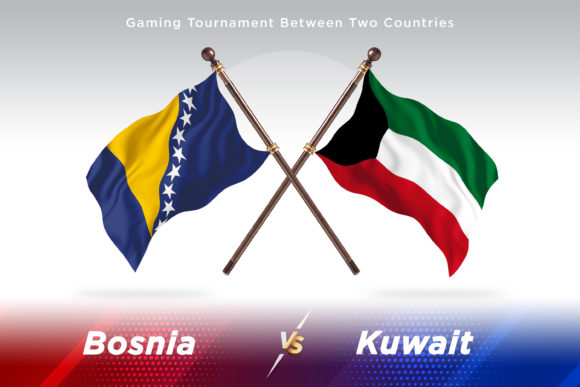
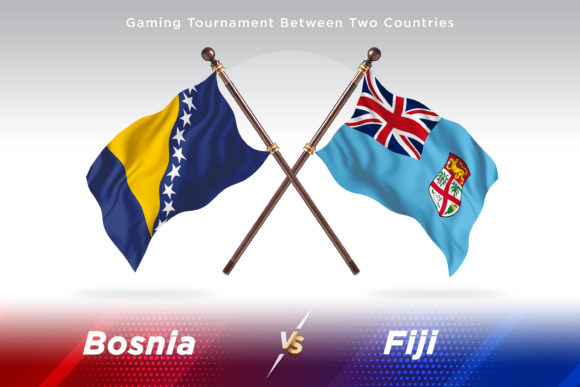
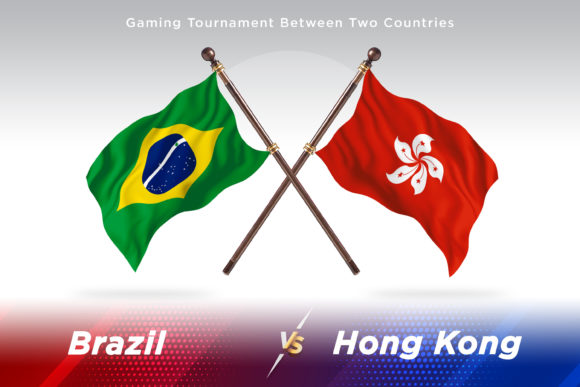
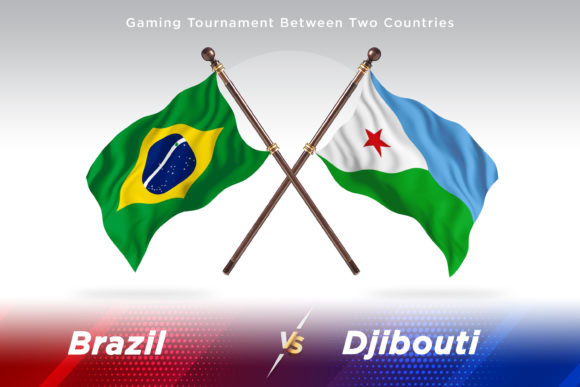
At first glance, the flags of Bosnia and Herzegovina and Brazil look completely different. One features a blue field with a yellow triangle and white stars, while the other bursts with green, yellow, blue, and a bold celestial globe. Yet both flags are carefully designed to communicate values, history, and national aspirations.
The Bosnian Flag: Geometry and Unity
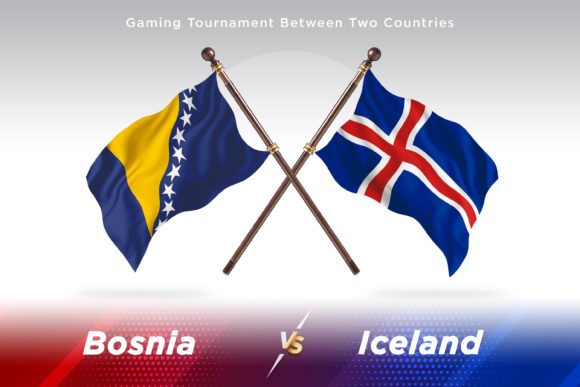
The flag of Bosnia and Herzegovina consists of a blue background, a yellow triangle along the hoist side, and a row of seven full white stars and two half stars running diagonally along the edge of the triangle. The blue represents peace and connection to Europe, while the yellow triangle stands for the three main ethnic groups—Bosniaks, Croats, and Serbs—and the shape of the country itself. The stars symbolize Europe and the infinite nature of the nation's aspirations.
This design is modern, adopted in 1998 after the Dayton Agreement ended the Bosnian War. It deliberately avoids historical or ethnic symbols that might cause division. Instead, it looks forward to unity and European integration. For anyone studying post-conflict nation-building, the Bosnian flag is a textbook example of how design can promote reconciliation.
The Brazilian Flag: Nature, Order, and Progress
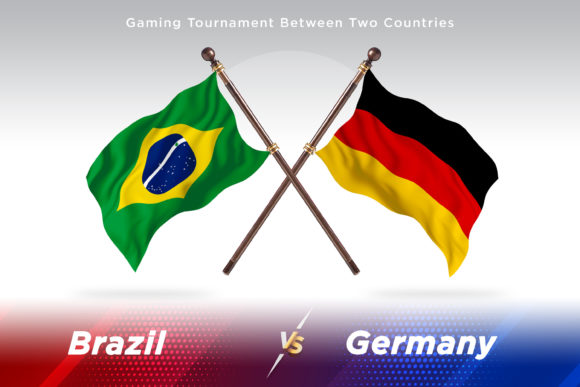
Brazil's flag is one of the most recognizable in the world. The green field represents the country's lush forests, particularly the Amazon. The yellow diamond references Brazil's wealth in gold. Inside the diamond sits a blue globe with 27 stars representing the states and the federal district, crossed by a white banner bearing the motto "Ordem e Progresso" (Order and Progress).
Originally designed in 1889 after Brazil became a republic, the flag reflects the ideals of positivism and the country's natural riches. The stars are arranged exactly as they appeared over Rio de Janeiro on the night of November 15, 1889—the date of the republic's proclamation. That astronomical accuracy gives the flag a unique scientific layer that appeals to historians and stargazers alike.
Why Someone Might Compare These Two Flags
Comparing Bosnia Versus Brazil Two Flags is not just an academic exercise. People explore this comparison for several practical reasons:
- Travel planning — Understanding flags helps travelers show respect and cultural awareness when visiting either country.
- Graphic design inspiration — Both flags use bold geometry and meaningful color palettes that can inform logo and brand design projects.
- Educational content — Teachers and students compare flags to learn about geography, history, and civics in a visual way.
- Business and marketing — Companies expanding into these markets often study national symbols to avoid cultural missteps and to tailor messaging.
- Personal curiosity — Many people simply enjoy learning how nations represent themselves through symbols.
Where and How You Can Use This Knowledge
The comparison between Bosnia Versus Brazil Two Flags has real-world applications across many contexts. Here are some beginner-friendly examples and use cases that show how this knowledge goes beyond trivia.
In Education and Research
If you teach world history or geography, flags are a natural entry point for deeper discussions. You might show both flags side by side and ask students to infer what each country values. For instance, why does Brazil include a motto while Bosnia does not? Why does Bosnia use a triangle while Brazil uses a diamond? Such questions encourage critical thinking about symbolism and national identity.
Researchers in semiotics—the study of symbols—often use flags as case studies. The Bosnian flag's deliberate avoidance of ethnic imagery contrasts sharply with the Brazilian flag's celebration of natural wealth and philosophical ideals. This makes for compelling analysis in cultural studies or political science papers.
In Graphic Design and Branding
Designers can learn a lot from the flag of Bosnia. The clean geometry, limited color palette, and diagonal composition are principles that apply directly to logo design, website headers, and infographics. The yellow triangle against the blue field creates strong contrast and visual hierarchy—exactly what you want in a brand mark.
Brazil's flag offers lessons in how to incorporate multiple colors without overwhelming the viewer. The green and yellow are complementary, while the blue adds a calm focal point. If you are designing for a brand that wants to convey both energy and trust, studying Brazil's flag can inspire your palette choices.
In Travel and Cultural Awareness
When you travel to Bosnia or Brazil, knowing what the flag represents helps you connect with locals. In Bosnia, the flag's triangle and stars are a source of quiet pride after years of conflict. Recognizing that the flag intentionally avoids ethnic symbols shows that you understand the country's journey toward unity.
In Brazil, the flag is everywhere—from government buildings to beach umbrellas. Brazilians are generally proud of their flag, and knowing the meaning behind the stars and the motto can lead to interesting conversations. A simple comment like "I love that the stars reflect the sky on the day the republic was declared" can open doors with locals.
In Business and Marketing
If you are launching a product or campaign in either country, using the flag incorrectly can backfire. For example, placing the Bosnian flag upside down or distorting its proportions could be seen as disrespectful. Understanding the correct geometry—especially the triangle's exact angle and the star arrangement—shows that you take the market seriously.
For global brands, comparing Bosnia Versus Brazil Two Flags can inform localization strategies. The Bosnian flag's European focus may influence how you position a product, while Brazil's flag may encourage you to emphasize natural or optimistic themes. This kind of cultural insight helps marketers avoid generic campaigns that miss the mark.
Important Considerations Before Using or Studying These Flags
Before you adopt either flag in your work, travel, or study, there are a few things to keep in mind. These points help you use the comparison responsibly and effectively.
Respect the Cultural Context
Flags are emotionally charged symbols. In Bosnia, the flag is still relatively young and carries the weight of a nation rebuilding itself. Avoid using it in ways that trivialize the country's recent history. Similarly, in Brazil, the flag has been associated with both national pride and political movements. Be mindful of current events and how the flag may be perceived in different contexts.
When creating content that features Bosnia Versus Brazil Two Flags, always provide accurate context. Do not reduce either flag to a mere design exercise—acknowledge the stories and struggles behind them.
Accuracy Matters for Design and Reproduction
If you are recreating either flag for a project, pay attention to official specifications. The Bosnian flag's triangle must be exactly proportioned, and the stars must follow the diagonal line precisely. The Brazilian flag's star arrangement is based on actual astronomical data, and the curve of the banner is mathematically defined. Using approximate versions can undermine your credibility, especially in professional design or educational work.
Many official government websites provide downloadable vector files and detailed color codes. For the Bosnian flag, the blue is typically a specific shade of royal blue (Pantone 287 C), while the yellow is a bright golden yellow (Pantone 116 C). Brazil's green (Pantone 3278 C), yellow (Pantone Process Yellow C), and blue (Pantone 280 C) are also standardized. Using the correct colors signals attention to detail.
Beware of Misinformation and Stereotypes
Some online sources simplify the meaning of flags in misleading ways. For example, you might hear that Brazil's green stands only for forests, while yellow stands only for gold. While those are common interpretations, the colors also have historical and political layers. Similarly, the Bosnian flag's triangle is sometimes incorrectly described as representing only one ethnic group. Dig deeper than surface-level explanations.
When comparing Bosnia Versus Brazil Two Flags, rely on official sources or reputable academic references. This is especially important if you are creating content for an audience that includes people from those countries. Getting the details wrong can damage trust.
Practical Advice for Beginners
If you are new to studying flags, start by observing how each flag makes you feel. What emotions do the colors and shapes evoke? Then research the official meanings and compare them with your impressions. This exercise builds visual literacy and cultural empathy.
For bloggers and content creators, a comparison like Bosnia Versus Brazil Two Flags can be a great hook for broader discussions. You might write about how design reflects national values, or how post-conflict countries use symbolism differently from stable democracies. The key is to connect the visual details to human stories.
The Value of Comparing Flags Across Cultures
When you explore Bosnia Versus Brazil Two Flags, you are doing more than memorizing colors and shapes. You are learning how two very different nations—one in the heart of Southeast Europe, the other in South America—choose to present themselves to the world. Bosnia's flag speaks to unity after division, European aspirations, and geometric simplicity. Brazil's flag speaks to natural abundance, philosophical ambition, and astronomical precision.
This comparison enriches your understanding of geography, history, and design. It also gives you practical tools for travel, education, branding, and respectful cross-cultural communication. Whether you are a casual learner or a seasoned professional, taking the time to understand what these flags mean—and how they differ—adds depth to your worldview.
Next time you see the blue and yellow of Bosnia or the green and gold of Brazil, you will see more than fabric. You will see the hopes, struggles, and identities of millions of people. And that is what makes comparing flags truly worthwhile.