Botswana Versus Fiji Two Flags: A Comparative Look at National Identity
Flags are far more than colourful pieces of fabric. They tell stories of independence, cultural heritage, and national aspirations. The flags of Botswana and Fiji, while both representing countries with rich histories and stunning natural landscapes, offer distinctly different visual languages. Understanding the Botswana versus Fiji two flags comparison not only deepens your appreciation for vexillology — the study of flags — but also reveals the unique paths each nation has taken. Whether you are a traveller, a student, a content creator, or simply curious about world cultures, this guide will help you see these emblems with fresh eyes.
First Impressions: Two Distinct Visual Approaches
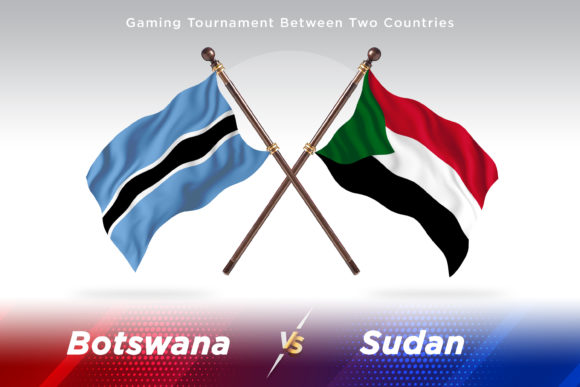
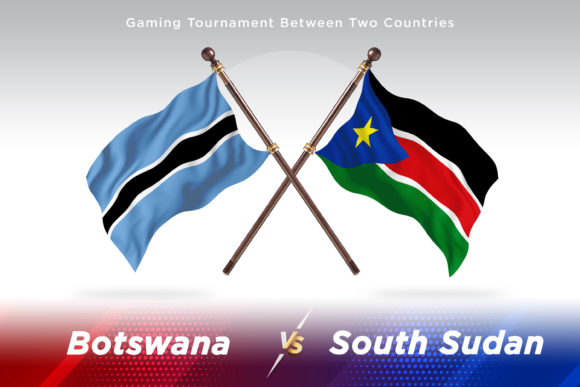
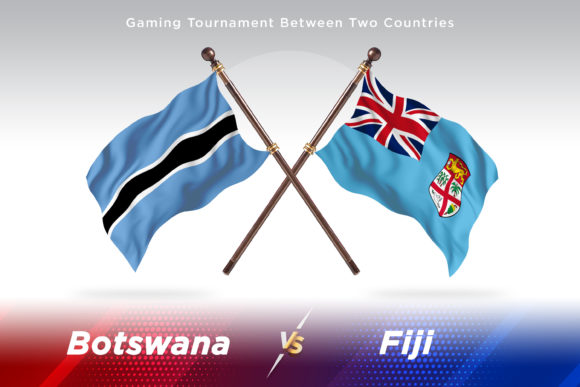
At first glance, the Botswana and Fiji flags could hardly be more different. Botswana’s flag is clean, modern, and minimal: a light blue field bisected by a black horizontal stripe with thin white edges. Fiji’s flag, by contrast, is busier and more traditional: a light blue field with the British Union Jack in the upper left corner and a detailed shield on the right side. This initial visual contrast already hints at the different stories these flags tell.
Botswana’s Flag: Simplicity with Deep Meaning
Botswana adopted its flag on 30 September 1966, the day it became independent from Britain. The designers chose a deliberately simple composition because they wanted a symbol that was immediately recognisable and easy to reproduce. The light blue background represents water — specifically rain, which is precious in this semi-arid country. The black stripe with white borders symbolises the harmony between the people of African descent and those of European and other backgrounds. This message of racial cooperation was especially important at the time of independence.
The flag’s proportions are exact: the black stripe occupies the centre, and the white stripes are each one-sixth the width of the blue field. This precision reflects Botswana’s commitment to order and democracy, values the country has upheld consistently since independence.
Fiji’s Flag: Colonial Heritage and Indigenous Symbols
Fiji’s flag, in use since 10 October 1970 when the country gained independence, retains a strong connection to its colonial past. The Union Jack signals Fiji’s historical ties to Britain and its continued membership in the Commonwealth. The shield on the right side comes from Fiji’s colonial coat of arms and contains rich symbolism: a British lion holding a cacao pod, sugar cane, coconuts, bananas, and a dove with an olive branch. These elements represent Fiji’s agricultural wealth and Christian faith.
Unlike Botswana’s forward-looking design, Fiji’s flag looks both backward and forward. It acknowledges colonial history while also celebrating the natural resources and religious traditions that shape Fijian identity. This duality has sparked ongoing debate in Fiji about whether the flag should be redesigned to remove colonial symbols.
Why People Compare These Two Flags
The Botswana versus Fiji two flags comparison appeals to several types of people. Travel enthusiasts and expatriates often study flags to understand the places they visit or move to. Educators use flag comparisons to teach history, geography, and civics in a visual and memorable way. Graphic designers and branding professionals examine flags to learn how simple shapes and colours can convey complex ideas. And for anyone interested in national identity, comparing flags reveals how different countries answer the same question: Who are we?
Both flags use light blue as their primary background colour, which creates an interesting parallel. But the similarity ends there. Botswana uses blue to symbolise water and life; Fiji uses blue to represent the Pacific Ocean that surrounds its islands. One flag is entirely abstract, while the other includes literal depictions of plants and animals. This contrast between abstraction and representation is one of the most fascinating aspects of the comparison.
Practical Uses for Understanding Flag Symbolism
Knowing the details of the Botswana versus Fiji two flags comparison can be surprisingly useful in everyday contexts:
- Content creation: If you write travel blogs, create educational videos, or design infographics, accurate flag knowledge builds credibility with your audience. A mistake in flag symbolism can undermine an otherwise excellent piece of content.
- Business and marketing: Companies that operate in or trade with Botswana or Fiji benefit from understanding local symbols. Using a flag respectfully in marketing materials shows cultural awareness and builds trust.
- Travel planning: Knowing what a country values — like Botswana’s emphasis on racial harmony or Fiji’s pride in agriculture — helps you engage more meaningfully with locals during your visit.
- Educational materials: Teachers and homeschooling parents can use flag comparisons as entry points into broader lessons about history, geography, and social studies. The visual nature of flags makes them especially effective for younger learners.
1. Design Philosophy: Abstract versus Representational
Botswana’s flag is entirely abstract. No animals, plants, or objects appear on it. The meaning comes entirely from colours and their arrangement. This approach makes the flag timeless — it does not depict any specific historical moment or political figure. Fiji’s flag, by contrast, contains detailed imagery that directly references agriculture, Christianity, and colonial rule. These images root the flag in specific times and places.
2. Colour Symbolism
Both flags use light blue, but for different reasons. In Botswana, blue represents water and rain — the source of life in a dry land. In Fiji, blue represents the ocean — the source of connection and trade between islands. The white in Botswana’s flag stands for racial harmony; white appears in Fiji’s flag only as a minor detail in the shield and Union Jack. Black appears prominently in Botswana’s flag to represent the African majority; black does not appear in Fiji’s flag at all, except as outlines in the shield.
3. Colonial Legacy
Botswana deliberately removed all colonial symbols from its flag at independence. The design is entirely new and forward-looking. Fiji retained its colonial symbols, embedding the Union Jack directly into the national flag. This difference reflects the two countries’ different relationships with their colonial past. Botswana’s transition to independence was relatively smooth, yet the country chose a clean break symbolically. Fiji’s independence also occurred peacefully, but the decision to keep colonial symbols has been more controversial over time.
What to Consider Before Using These Flags
If you plan to use either flag in your own work — whether in a blog post, a presentation, a product design, or an educational resource — there are a few important points to keep in mind:
- Respect the proportions. Flags are legally defined with specific ratios. Distorting a flag’s proportions can be seen as disrespectful. Botswana’s flag uses a 2:3 ratio; Fiji’s uses a 1:2 ratio.
- Understand the context. Fiji’s flag is currently the subject of national debate about redesign. Referencing this debate shows that you are aware of current events, not just historical facts.
- Avoid political statements. Flag symbolism can be politically sensitive. Stick to well-documented meanings and avoid speculating about hidden messages or conspiracy theories.
- Check your sources. Many websites provide inaccurate information about flag symbolism. Whenever possible, verify details against official government sources or reputable vexillology organisations.
- Consider your audience. If you are creating content for an audience that includes people from Botswana or Fiji, be especially careful with accuracy. Local readers will notice mistakes quickly.
Beyond the Flags: What They Reveal About Each Country
Comparing the Botswana versus Fiji two flags is ultimately about understanding two distinct national personalities. Botswana is a landlocked country in southern Africa, known for its stable democracy, diamond wealth, and vast wilderness areas like the Okavango Delta. Its flag reflects its values: unity, peace, and reliance on natural resources. Fiji is an island nation in the South Pacific, known for its tourism industry, agricultural exports, and multicultural society. Its flag reflects its history: colonial ties, Christian faith, and agricultural abundance.
Both flags work well for their respective countries. Botswana’s minimalist design stands out among African flags, most of which use Pan-African colours (red, green, yellow, black). Fiji’s detailed shield stands out among Pacific island flags, many of which feature stars, crosses, or simple geometric patterns. Neither flag follows regional conventions, and that uniqueness is itself a statement of national identity.
A Final Perspective
The Botswana versus Fiji two flags comparison reminds us that flags are never just designs. They are statements about who a people are, where they came from, and what they hope to become. Botswana chose a forward-looking symbol of unity and natural life. Fiji chose a symbol that honours heritage while representing present-day resources and faith. Neither choice is right or wrong — both reflect the genuine identity of their nations.
Whether you encounter these flags while planning a trip, researching a school project, or designing a presentation, take a moment to appreciate the thought that went into them. A flag is a country in miniature, and understanding it is one small step toward understanding the people it represents.