Bosnia Versus Lebanon Two Flags: Meaning and Design
Flags do more than mark territory. They carry history, identity, and sometimes even controversy. When you place the flag of Bosnia and Herzegovina next to the flag of Lebanon, the visual contrast is striking. One relies on geometric precision and a star-speckled diagonal. The other centres on a single iconic tree. Yet beneath the surface, both flags tell stories of resilience, faith, and national pride. Understanding these differences and similarities can matter to you whether you are designing a logo, teaching a geography class, planning travel, or simply curious about the world.
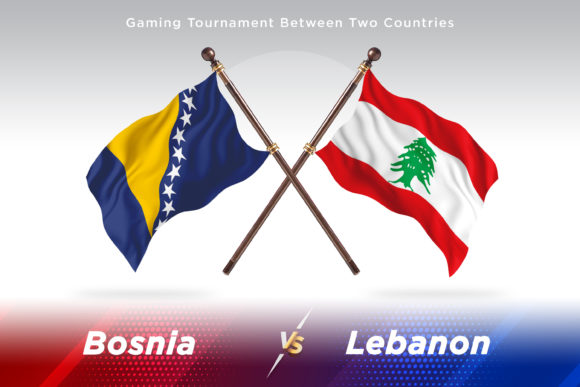
The Bosnian flag features a blue field with a yellow right triangle and a diagonal line of white stars. Lebanon’s flag has horizontal red stripes framing a white centre that holds a green cedar tree. At first glance the two seem unrelated. But they share a deeper purpose: each was born from conflict and crafted to unite a fractured nation. That context alone makes comparing them worthwhile for anyone who studies symbols, markets, or cultures.
Why Different People Care About a Flag Comparison
You might wonder who actually sits down to compare two national flags. The answer is more diverse than you think. A graphic designer studies the Bosnian flag’s use of negative space and the Lebanese flag’s bold central motif. A travel blogger writing about Mediterranean and Balkan destinations wants to use accurate imagery that respects local meaning. A small business owner sourcing materials from either region may choose to display flags as a sign of respect or partnership. Even a hobbyist who collects flags or creates educational content for social media can find value in this comparison.
The flags also appeal to those interested in colour theory. Bosnia uses a deep blue that is rare among European flags, while Lebanon features a vivid green that stands out in the Middle East. For educators, these details become entry points into larger discussions about geography, religion, and modern history. For the casual learner, comparing the two flags offers a simple way to remember which country is which—and to understand what each nation values enough to put on its banner.
Bosnia and Herzegovina’s Flag
The Bosnian flag was adopted in 1998, after the Dayton Peace Agreement ended the war. Its design deliberately avoids ethnic symbolism. The blue background references the United Nations flag. The yellow triangle represents the three constituent peoples—Bosniaks, Croats, and Serbs—and the shape of the country. The seven full stars and two half-stars form an infinite band that suggests Europe and unity. There is no crown, no cross, no crescent. That neutrality was intentional: the flag was meant to move the country forward, not dwell on past divisions.
For a designer, the Bosnian flag is a masterclass in abstraction. The triangle is bold but not overpowering. The stars are arranged diagonally, creating a sense of motion. The blue and yellow palette is accessible yet distinctive. If you are a creator looking for inspiration in minimalist national branding, this flag offers a strong case study in how geometry can replace traditional heraldry.
Lebanon’s Flag
Lebanon’s flag predates its modern independence. It was first used during the French Mandate and officially adopted in 1943. The red stripes symbolise the blood shed for freedom, the white stripe stands for peace and the snow-capped mountains, and the green cedar tree is a biblical symbol of strength and eternity. The cedar is older than the nation itself—it appears on ancient Phoenician coins. For many Lebanese, the tree is a reminder of resilience through occupation, civil war, and economic hardship.
If you are a marketer or brand strategist, the Lebanese flag demonstrates the power of a single recognisable symbol. One image carries centuries of meaning. The cedar is not just a tree; it is a shorthand for the entire country’s identity. For a business owner considering a logo, the lesson is clear: when you find a symbol that resonates deeply, you do not need to overcomplicate the design.
For Creators and Designers
If you are building a brand identity or creating content about world symbols, compare the two flags for their use of colour contrast. Bosnia uses complementary colours (blue and yellow) that work well in digital and print. Lebanon uses red, white, and green—a palette common in Middle Eastern flags—but the cedar adds a natural organic element. For a freelance designer pitching a project with international themes, referencing these flag designs can show cultural awareness and visual literacy. You might even borrow the Bosnian flag’s diagonal layout for a dynamic website header or the Lebanese flag’s centred symbol for a clean app icon.
For Educators and Trainers
Teaching a lesson about nationalism or symbolism? Use these two flags as contrasting examples. The Bosnian flag is deliberately inclusive and abstract—a forward-looking design. The Lebanese flag is deeply rooted in ancient history and natural imagery. Ask students to identify which flag they find more effective and why. You can also use the flags to introduce map skills: the Bosnian triangle mirrors the country’s rough shape, while the Lebanese cedar points to the country’s mountainous geography. This kind of comparison turns a simple image into a cross-curricular tool covering history, art, and geography.
For Travelers and Bloggers
If you travel to Sarajevo or Beirut, understanding the flags can deepen your experience. In Bosnia, you will see the flag flying alongside municipal banners and EU symbols. Knowing that the stars represent continuity helps you appreciate the country’s European aspirations. In Lebanon, the cedar appears everywhere—on army uniforms, restaurant menus, and souvenir magnets. A blogger who writes about flag etiquette or visual culture can create a post comparing these two flags to attract readers interested in both Balkans and Middle Eastern travel. The contrast between geometric abstraction and botanical realism gives you a built-in hook.
For Business Owners and Entrepreneurs
If you import goods from either country or work with diaspora communities, displaying the flag correctly signals respect. A small business that sources Bosnian coffee or Lebanese olive oil might include the flag on packaging or marketing materials. But you need to get the details right: the Bosnian flag has a specific shade of blue and an exact star arrangement. The Lebanese flag requires the cedar to be centred and correctly proportioned. Misusing either flag can alienate your audience. If you are a publisher creating a catalog of international suppliers, include a sidebar on flag symbolism to add value and demonstrate expertise.
Evaluating Which Flag Matters for Your Own Goals
Your interest in Bosnia versus Lebanon two flags will depend on what you need from the comparison. If you are a beginner just learning about world flags, focus on the contrast between abstract geometry and natural symbolism. That one difference will help you remember both flags and the stories they tell. If you are a more experienced user—say, a historian or vexillologist—you might dig into the political debates that surrounded each flag’s adoption. The Bosnian flag was chosen by a UN-appointed committee and criticised by some ethnic groups. The Lebanese flag was modified slightly after independence but has remained remarkably stable. Both histories reveal how flag design is rarely just about aesthetics.
For creators, the practical value is in the colour palettes and compositional rules. Bosnia proves that a flag made of simple shapes can still carry deep meaning. Lebanon proves that one strong symbol can outperform a complex layout. If you are designing a logo, a flag, or even a slide deck, ask yourself whether you need multiple elements or just one powerful image. The two flags give you both answers.
For consumers—people who buy products featuring flags or watch content about countries—the comparison helps you spot authentic design. A poorly drawn Bosnian flag with the stars in the wrong order or a Lebanese flag with a misshapen cedar tree signals a lack of care. The next time you see a flag emoji, a patch, or a travel poster, you will know whether the designer did their homework. That awareness turns passive consumption into informed appreciation.
Long-Term Usefulness and Learning Value
The discussion around Bosnia versus Lebanon two flags is not something you outgrow. A beginner may start by memorising which flag has a tree and which has stars. A few years later, that same person might use the comparison in a university presentation about post-conflict national identity. A business owner revisits the topic when expanding into new markets. A teacher returns to it every semester because the flags remain relevant as long as the countries exist. That is the long-term value of understanding symbols: they do not change quickly, so the knowledge stays useful.
Both flags are also excellent case studies for anyone interested in the intersection of design and politics. The Bosnian flag shows how a nation can choose a neutral visual language to move beyond ethnic division. The Lebanese flag shows how a nation can anchor itself in a natural icon that predates modern borders. Neither is objectively better; they simply serve different contexts. Your task is to figure out which context matches your work, your curiosity, or your project.
If you are a freelancer pitching a cultural article, a small business owner choosing packaging, or a hobbyist creating educational videos, the Bosnia versus Lebanon flag comparison offers a structured way to talk about identity, design, and meaning. It is compact enough to explain in a few paragraphs but deep enough to reward closer study. That rare balance is what makes the topic worth your time.