Bosnia Versus Malta: A Tale of Two Flags and the Stories They Tell
Flags are far more than colourful pieces of fabric. They are compact emblems of identity, history, and national aspiration. When you place the flag of Bosnia and Herzegovina next to the flag of Malta, you are looking at two strikingly different designs that nevertheless share a deep connection to European heritage and the struggle for sovereignty. Understanding what each flag represents offers a fascinating window into the cultures, histories, and values of these two nations. This article explores the flags of Bosnia and Herzegovina and Malta in depth, comparing their origins, symbolism, and the unique stories they tell about their people.
First Impressions: Two Distinct Visual Identities
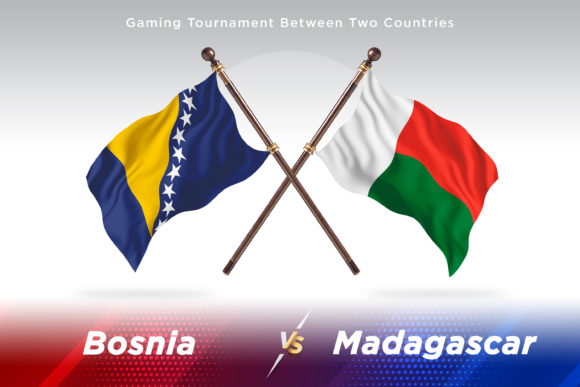
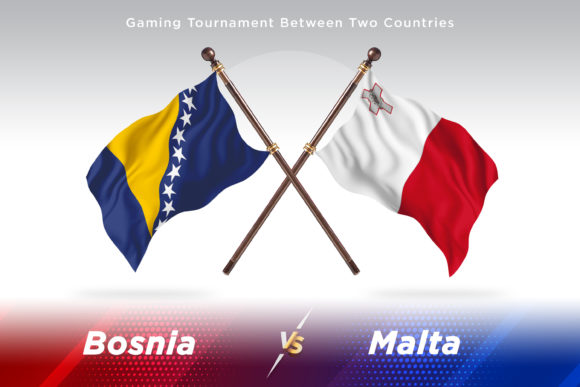
At first glance, the Bosnian and Maltese flags could hardly be more different. The flag of Bosnia and Herzegovina features a deep blue field, a yellow right triangle, and a diagonal line of seven five-pointed white stars. The flag of Malta is a simple vertical bicolour of white on the hoist side and red on the fly, with a small but prominent silver-grey George Cross in the upper hoist corner. These visual differences reflect fundamentally different national narratives.
The Flag of Bosnia and Herzegovina: A Modern Design for a Complex Nation
The Bosnian flag is one of the youngest national flags in Europe. It was adopted on February 4, 1998, following the Dayton Peace Agreement that ended the Bosnian War. The design was chosen to represent a unified, multi-ethnic state moving toward integration with Europe.
The symbolism is deliberate and layered:
- The blue background evokes the flag of the European Union, signalling Bosnia's European aspirations and commitment to continental cooperation.
- The yellow triangle represents the three constituent peoples of Bosnia and Herzegovina: Bosniaks, Serbs, and Croats. The triangle shape also suggests the geographic outline of the country.
- The seven white stars are meant to represent Europe and the idea of European unity. They are arranged in an infinite pattern, symbolizing continuity and the hope for a lasting peace.
The design was not without controversy. Some critics felt it was too European and did not adequately reflect the country's Ottoman or Slavic heritage. However, the flag has largely been accepted as a neutral symbol that avoids favouring any one ethnic group.
The Flag of Malta: A Banner Steeped in History
The Maltese flag is older and more traditional in its design. It was officially adopted on September 21, 1964, when Malta gained independence from the United Kingdom, though its roots go back centuries. The flag consists of two equal vertical bands: white on the left and red on the right.
The colours themselves have ancient origins:
- White and red are said to have been the colours of the Maltese people since the time of the Knights Hospitaller, who ruled the islands from 1530 to 1798. Legend has it that these colours were granted to Malta by Roger I of Sicily in 1091.
- The white represents purity and peace, while the red symbolizes the blood shed in defence of the island.
The George Cross is the most distinctive feature of the Maltese flag. It was awarded to the entire Maltese population by King George VI of the United Kingdom in 1942 for exceptional bravery during World War II. Malta endured relentless bombing by Axis forces, and the George Cross was a recognition of the collective courage and resilience of the Maltese people. The cross is outlined in red to make it stand out against the white background.
Purpose and Significance: What These Flags Represent
Flags serve as visual shorthand for a nation's identity. They are used in diplomacy, sport, education, and daily life to foster a sense of belonging and pride. Understanding the deeper significance of the Bosnian and Maltese flags helps readers appreciate how national symbols evolve out of historical circumstances.
Bosnia's Flag: A Deliberate Break with the Past
The Bosnian flag was designed to be inclusive and forward-looking. After the devastating war of the 1990s, the country needed a symbol that could unite people across ethnic and religious lines. The previous flag of the Republic of Bosnia and Herzegovina, used during the war, featured a fleur-de-lis on a blue and white shield—a symbol associated with the Bosniak identity. That flag, while still used by some patriots, was seen as too ethnically specific for a unified state.
The current flag deliberately avoids any reference to Ottoman, Byzantine, or Slavic heraldry. Instead, it looks outward to Europe. This is a powerful statement of intent: Bosnia aspires to join the European Union and to define itself as a modern, democratic, multicultural nation. The flag is a declaration of hope for a peaceful future, even as the country continues to grapple with political divisions.
Malta's Flag: A Living Museum of Identity
Malta's flag is a testament to continuity and honour. The white and red bands connect modern Malta to its medieval past, while the George Cross anchors the flag in a specific, heroic moment of recent history. The Maltese flag is not just a symbol of the state but also of the people's character. It says: "We are an ancient people who have endured, and we have been recognized for our courage."
The flag also has a practical civic function. It is flown proudly on public buildings, at festas (religious festivals), and during the annual Independence Day and Republic Day celebrations. For Maltese people living abroad, the flag is a powerful reminder of their small island nation's outsized place in history.
Practical Relevance: Flags in Modern Life
Beyond museums and textbooks, both flags play active roles in modern life, business, education, and technology. Understanding their symbolism helps people navigate international contexts.
In Business and Trade
Flags are used in international commerce to indicate country of origin, corporate nationality, and brand identity. When a company in Bosnia exports goods, the flag on the packaging signals quality and regional affiliation. Similarly, Maltese businesses use the national flag to evoke trust, heritage, and a connection to the Mediterranean world. The Maltese flag, with its George Cross, carries an additional layer of prestige and recognition that can be an asset in branding.
In Education and Tourism
Both flags are essential teaching tools in schools. Bosnian children learn that their flag's stars represent the country's three main ethnic groups living together. Maltese students study the George Cross and its story of wartime resilience. Tourists visiting either country encounter flags on everything from airport terminals to souvenir magnets, and understanding the symbolism enhances their travel experience.
In Digital and Social Media
Flags are ubiquitous online. Emoji flags for Bosnia and Herzegovina and Malta are used in tweets, Instagram posts, and WhatsApp messages to express national pride, support in sports, or solidarity. During the Eurovision Song Contest or World Cup qualifiers, the flags become rallying points for diaspora communities worldwide. Recognizing the distinctiveness of each flag helps users communicate more precisely in global digital conversations.
Common Misunderstandings Clarified
Several misconceptions surround these two flags. Let us clear them up.
Misunderstanding 1: The Bosnian Flag's Stars Represent the Four Regions
Some people assume the seven stars on the Bosnian flag stand for the country's regions or cantons. In fact, the number seven is aesthetic and symbolic of Europe's infinity, not a representation of administrative divisions. The stars are arranged in an endless pattern to suggest continuity and unity.
Misunderstanding 2: The Maltese Flag's George Cross Is a Military Medal
While the George Cross is indeed a decoration for gallantry, it was awarded collectively to the entire Maltese population, not to the military. This collective award is unique in Commonwealth history. The cross on the flag commemorates the civilian population's bravery, not just the armed forces.
Misunderstanding 3: The Flags Are Completely Unrelated
Though visually different, both flags share a connection to European identity. The Bosnian flag explicitly references the European Union, while Malta's white and red bands are traditional European colours used by the Knights Hospitaller, a medieval Catholic military order with pan-European membership. Both flags, in their own ways, affirm a European home.
A Direct Comparison: Side-by-Side Symbolism
Comparing the two flags directly highlights their contrasting priorities.
| Aspect | Bosnia and Herzegovina | Malta |
|---|---|---|
| Adopted | 1998 | 1964 (colours older) |
| Colours | Blue, yellow, white | White, red, silver-grey |
| Primary Symbol | Triangle and stars | George Cross |
| Message | Unity, European future, peace | Heritage, courage, sovereignty |
| Historical Roots | Post-war reconstruction, EU aspiration | Medieval knights, WWII bravery |
Broader Understanding: Flags as Living Documents
Both the Bosnian and Maltese flags challenge the notion that national symbols are static. Bosnia's flag is a deliberate creation of the late 1990s, designed by a committee to meet a political need. Malta's flag evolved organically over centuries, with the George Cross added in the 20th century to honour a specific historical event. Neither flag is timeless; both are responses to real historical pressures.
This is important for readers to understand because flags are often treated as sacred and unchanging. In reality, they are as dynamic as the nations they represent. The Bosnian flag may one day change if the country's political structure evolves further. The Maltese flag could theoretically be updated if new honours are added. Flags are not set in stone—they are negotiated symbols.
Conclusion: Two Flags, One Lesson in Identity
Comparing the flags of Bosnia and Herzegovina and Malta reveals two very different approaches to national identity. Bosnia's flag looks forward, using European symbolism to project unity and integration. Malta's flag looks both backward and forward, honouring ancient traditions and recent heroism while asserting a proud, independent identity.
For the general reader, these flags offer a lesson in how nations tell their own stories. The next time you see the blue and yellow of Bosnia or the white and red of Malta, you will know that each stripe, star, and cross carries a world of meaning. Flags are not just symbols—they are conversations. And understanding what they say helps us understand the people who fly them.
Whether you are a traveller, a student, or simply a curious reader, knowing the difference between the Bosnian and Maltese flags enriches your appreciation of European diversity. They remind us that every nation, no matter how small, has a story worth telling.